Digital Edition
Manuel M.
De Andrade

Nov 21, 2025

Another Towman
Struck Down
The Week's Features
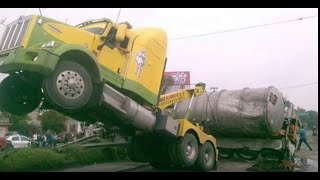
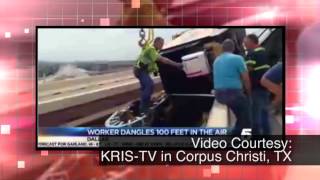
Tow truck rescued after dangling off Texas bridge in dramatic recovery.
Billboards may distract drivers—posing hidden dangers on our highways.
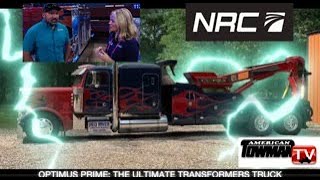
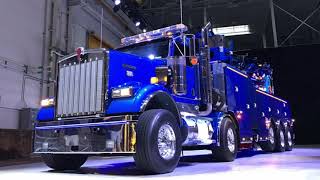
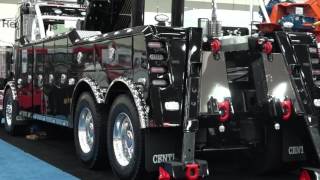
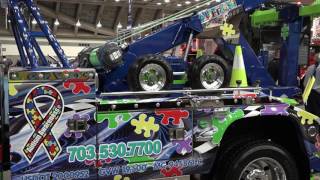
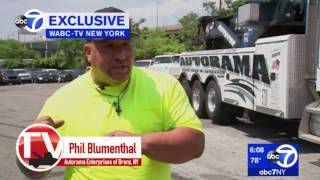
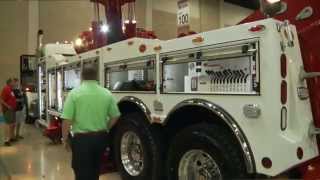
Award-winning NYC rotator blends hand-painted graphics with bold design.
San Diego repo calls surge as auto loan delinquencies hit a 15-year high.
Events
San Antonio, TX.
July 16-18, 2026
Baltimore, MD.
Nov. 19-21, 2026
Las Vegas, NV.
April 21-23, 2027
Premiere of "Home of the Brave" with lyrics • Click here to play
American Towman Magazine Presents the Week in Towing September 09 - September 15, 2026

When Plan 'A' Didn’t Work

By George L. Nitti

On a remote stretch of interstate outside Elko, Nevada, a young recovery crew proved that adaptability can be as essential to a recovery as equipment and experience.

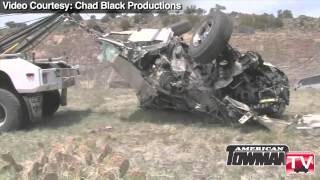
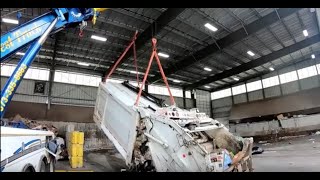
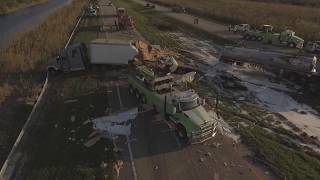
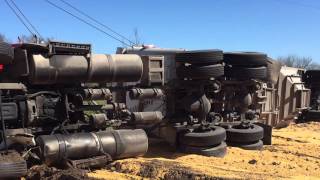
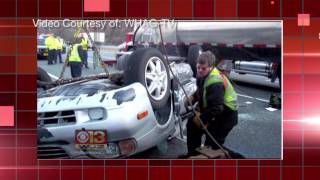
When a loaded mining dump truck blew a steer tire, the driver lost control and the truck overturned, coming to rest on its roof. The load spilled out, and much of the cab was crushed beneath the truck.

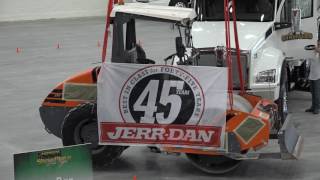
The call went to Atlas Towing & Recovery, where 22-year-old operator Blake Taylor responded in a 2018 Peterbilt 389 equipped with a Jerr-Dan 35-ton wrecker.

"There was really no traffic control when we got there," Taylor recalled. "I wasn't going to put my guys out on the interstate, so I had to find another way."

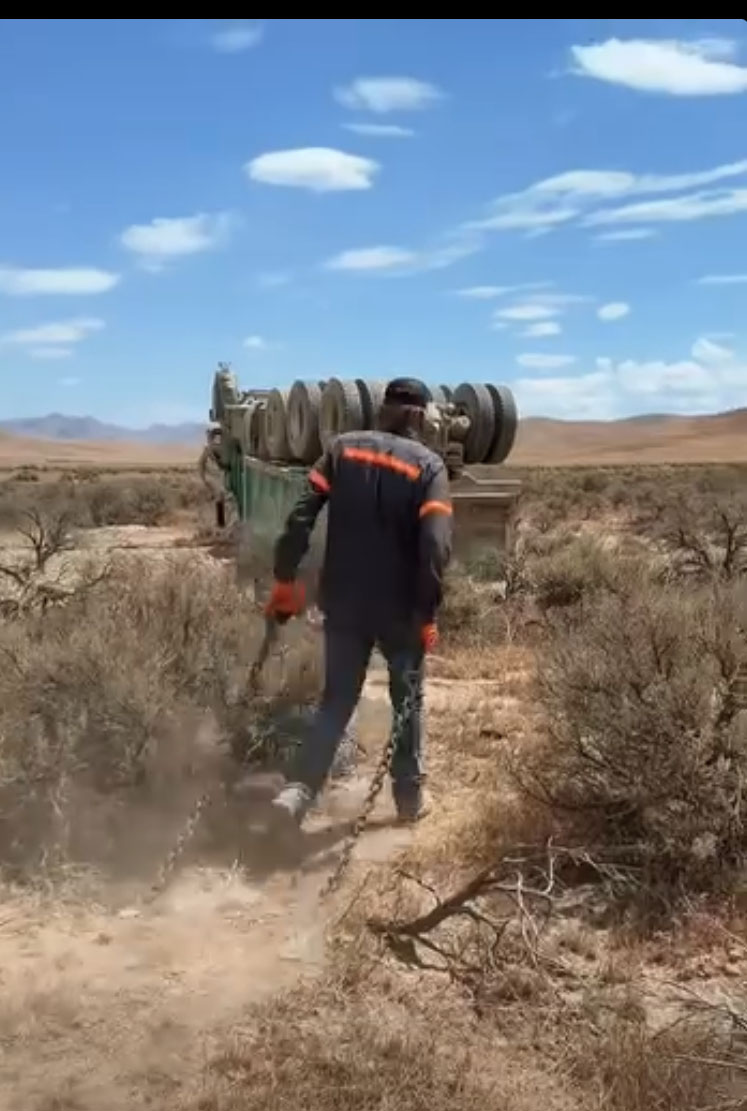
Rather than position the wrecker alongside the wreck, Taylor backed into a roadside ditch, clearing sagebrush and rocks to create a workable position. Even then, the wrecker could not get close to the overturned truck. Taylor had to run nearly 50 feet of wire rope to reach it, making both the rigging and the recovery more challenging.

His initial plan was to rotate the dump truck onto its side and then upright it. But with the available attachment points limited to the upper frame rails, the truck wanted to roll rather than rotate.

"If it had come over where I had it rigged, it would have landed on my winch line," Taylor said. "That could have shock-loaded the cable, and things could have gone wrong really fast."

Taylor made a second attempt using a synthetic sling beneath the wreck, but quickly abandoned that approach.

"There was too much torn metal hanging underneath. I knew I was going to cut the sling."

After nearly an hour of re-rigging and reassessing the situation, Taylor changed tactics. Rather than trying to rotate the truck first, he placed two winch lines on the backside and attempted to roll the dump truck directly where it lay.

The move worked better than expected.

"It flipped once, flipped again in the same motion, and landed right back on its wheels. It was pretty mind-blowing how smoothly it happened."

With the dump truck upright, Taylor repositioned his wrecker onto the interstate, winched the truck onto the roadway and hooked it for the tow back to Atlas Towing & Recovery's yard in downtown Elko.

The cab had sustained extensive damage, particularly on the passenger side, but the dump body and frame remained intact. The truck also retained air pressure, allowing Taylor to tow it without having to deal with additional complications.

Recoveries involving mining equipment are common for work for Atlas Towing & Recovery, which operates in one of Nevada's major gold-producing regions.

Owner Jeremy Muth purchased the company with his wife, Christy, in 2020. Since then, the operation has grown into a full-service heavy-duty fleet with three heavy wreckers, four medium-duty trucks and four equipment-hauling power units. The company also maintains loaders, skid steers, forklifts, slide axles, dry vans and its own traffic-control equipment.

"When we go to a wreck scene, we want everything we need with us," Muth said. "We don't want to depend on anybody else."

That self-sufficiency is particularly valuable in the rugged country surrounding Elko. Atlas regularly handles loaded ore-hauling combinations weighing more than 200,000 pounds over mountain passes. Elko sits at approximately 5,000 feet in elevation, and the high-desert climate can bring temperatures above 100 degrees in summer and well below zero in winter.

"Our recoveries are rarely simple," Muth said. "The terrain, the weather, and the weights make every job different."

Taylor knows that firsthand. He was introduced to towing at 16 and earned his CDL after graduating high school. Now, at 22, he is part of a young Atlas crew that Muth says routinely handles work well beyond what might be expected of operators their age.

For Taylor, the overturned dump truck demonstrated that even a relatively straightforward recovery can change quickly. The key, he said, is knowing when to stop forcing a \plan that isn't working.

"Sometimes you have to stop, rethink the rigging, and find the safest way to get the job done."


American Towman Today - September 14, 2026
Click here to read more

Arizona Towing Industry Wins Legislative Seat

Arizona’s towing industry will have a direct voice in shaping the future of public property towing and impound practices following the passage and signing of SB 1366.

Sponsored by Sen. David Gowan and supported by the Tow Operators Safety Coalition of Arizona (TOSC-AZ), the legislation establishes the Public Property Towing and Impound Practices Study Committee.

The committee will examine Department of Public Safety towing programs, operational standards, insurance requirements, rates and fees, and other issues affecting towing operators. It will include representatives from both urban and rural towing operations.

The committee’s findings and recommendations will be submitted to the Legislature before the 2027 legislative session and are expected to provide a foundation for future legislation.

TOSC-AZ credited months of engagement with lawmakers, public safety officials and industry stakeholders for helping advance the measure.

“This legislation ensures the towing industry has a seat at the table,” said Pete Colantoni of TOSC-AZ, adding that the group looks forward to developing policies that improve safety for motorists, public safety personnel and tow operators.


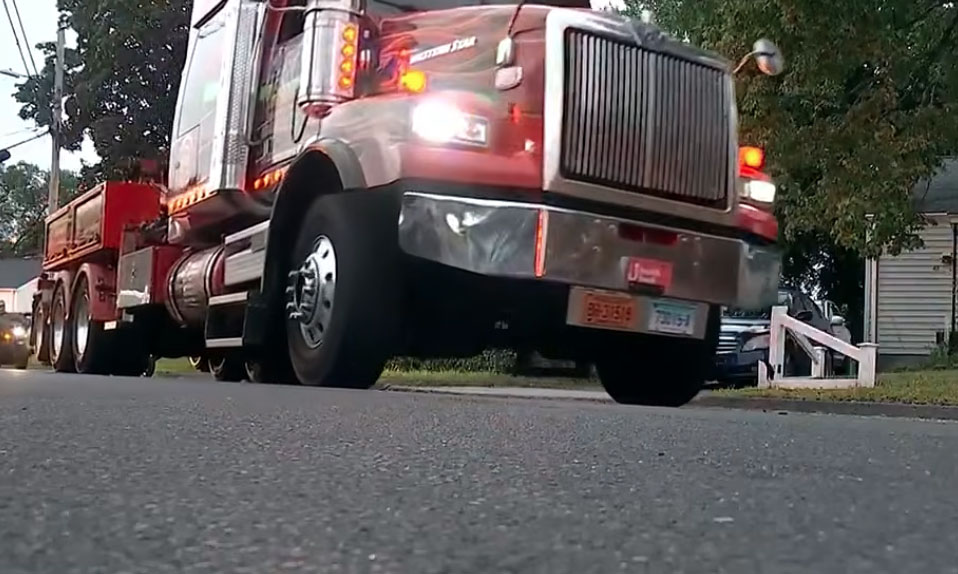
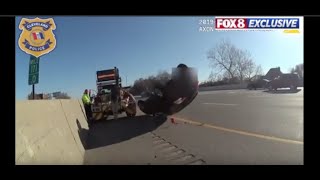
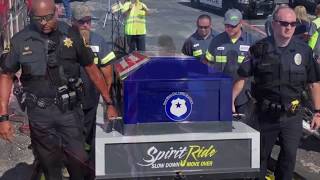
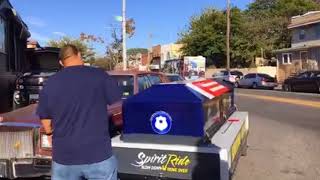
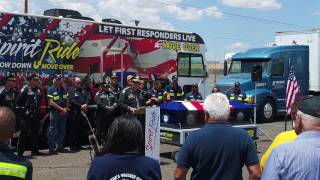
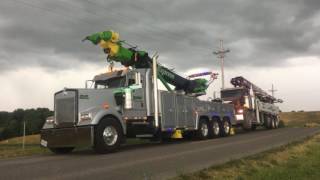
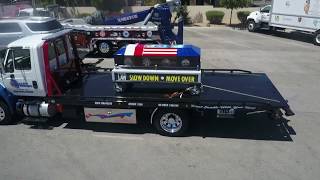
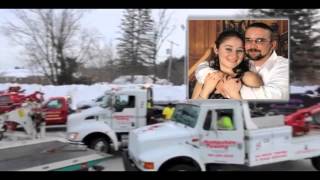
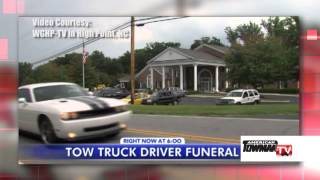
A tow truck travels through East Hartford, Connecticut, as part of a convoy honoring tow operator Alexander Ramos, who was killed while working along Tunxis Avenue in Bloomfield.

When Plan 'A' Didn’t Work

By George L. Nitti

On a remote stretch of interstate outside Elko, Nevada, a young recovery crew proved that adaptability can be as essential to a recovery as equipment and experience.

When a loaded mining dump truck blew a steer tire, the driver lost control and the truck overturned, coming to rest on its roof. The load spilled out, and much of the cab was crushed beneath the truck.

The call went to Atlas Towing & Recovery, where 22-year-old operator Blake Taylor responded in a 2018 Peterbilt 389 equipped with a Jerr-Dan 35-ton wrecker.

"There was really no traffic control when we got there," Taylor recalled. "I wasn't going to put my guys out on the interstate, so I had to find another way."

Rather than position the wrecker alongside the wreck, Taylor backed into a roadside ditch, clearing sagebrush and rocks to create a workable position. Even then, the wrecker could not get close to the overturned truck. Taylor had to run nearly 50 feet of wire rope to reach it, making both the rigging and the recovery more challenging.

His initial plan was to rotate the dump truck onto its side and then upright it. But with the available attachment points limited to the upper frame rails, the truck wanted to roll rather than rotate.

"If it had come over where I had it rigged, it would have landed on my winch line," Taylor said. "That could have shock-loaded the cable, and things could have gone wrong really fast."

Taylor made a second attempt using a synthetic sling beneath the wreck, but quickly abandoned that approach.

"There was too much torn metal hanging underneath. I knew I was going to cut the sling."

After nearly an hour of re-rigging and reassessing the situation, Taylor changed tactics. Rather than trying to rotate the truck first, he placed two winch lines on the backside and attempted to roll the dump truck directly where it lay.

The move worked better than expected.

"It flipped once, flipped again in the same motion, and landed right back on its wheels. It was pretty mind-blowing how smoothly it happened."

With the dump truck upright, Taylor repositioned his wrecker onto the interstate, winched the truck onto the roadway and hooked it for the tow back to Atlas Towing & Recovery's yard in downtown Elko.

The cab had sustained extensive damage, particularly on the passenger side, but the dump body and frame remained intact. The truck also retained air pressure, allowing Taylor to tow it without having to deal with additional complications.

Recoveries involving mining equipment are common for work for Atlas Towing & Recovery, which operates in one of Nevada's major gold-producing regions.

Owner Jeremy Muth purchased the company with his wife, Christy, in 2020. Since then, the operation has grown into a full-service heavy-duty fleet with three heavy wreckers, four medium-duty trucks and four equipment-hauling power units. The company also maintains loaders, skid steers, forklifts, slide axles, dry vans and its own traffic-control equipment.

"When we go to a wreck scene, we want everything we need with us," Muth said. "We don't want to depend on anybody else."

That self-sufficiency is particularly valuable in the rugged country surrounding Elko. Atlas regularly handles loaded ore-hauling combinations weighing more than 200,000 pounds over mountain passes. Elko sits at approximately 5,000 feet in elevation, and the high-desert climate can bring temperatures above 100 degrees in summer and well below zero in winter.

"Our recoveries are rarely simple," Muth said. "The terrain, the weather, and the weights make every job different."

Taylor knows that firsthand. He was introduced to towing at 16 and earned his CDL after graduating high school. Now, at 22, he is part of a young Atlas crew that Muth says routinely handles work well beyond what might be expected of operators their age.

For Taylor, the overturned dump truck demonstrated that even a relatively straightforward recovery can change quickly. The key, he said, is knowing when to stop forcing a \plan that isn't working.

"Sometimes you have to stop, rethink the rigging, and find the safest way to get the job done."

Los Angeles Tow Pros on High Alert; Hear fire dangers from Josh Acosta of Pepe's Towing Service

By Don Lomax
Click to enlarge


Managing Editor: George Nitti
ATTV Editor & Anchor: Emily Oz
Advertising Sales (800-732-3869):
Dennie Ortiz x213
Site Progr., Graphics & Video: Ryan Oser
Operations Editor: Randall C. Resch
Tow Business Editor: Brian J. Riker
Tow Illustrated Editor: George L. Nitti
September 16 - September 22, 2026
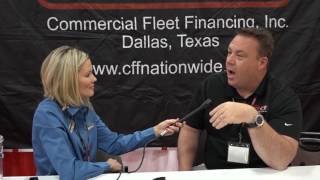
Miller Industries and Commercial Fleet Financing have launched Miller Finance Solutions, a new financing program designed to give towing operators more credit options, flexible terms and a faster path to purchasing equipment.
  • Tow Truck Convoy Honors Fallen Ct. Driver


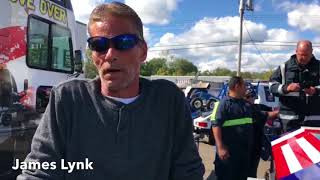
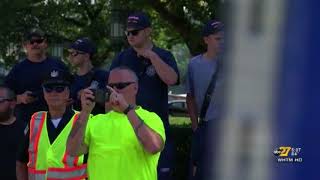
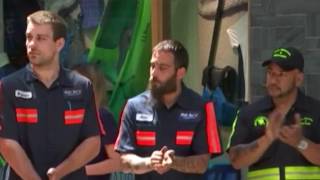
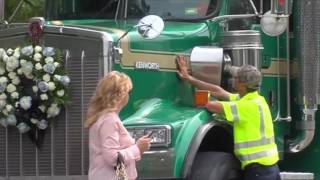
    More than 100 tow truck operators gathered in East Hartford, Connecticut, to honor Alexander Ramos, a 26-year-old tow truck driver killed while working Tuesday evening on Tunxis Avenue in Bloomfield.

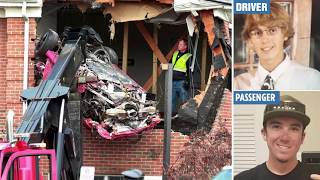
    Ramos, a husband, father, son and friend, was struck while working near his tow truck. He suffered severe head trauma and was pronounced dead at the scene. The other vehicle was later found overturned on its roof, and its driver remained at the scene before being taken to a hospital for evaluation.

    Wednesday night, dozens of tow operators drove their wreckers past Ramos’ East Hartford home, where family, friends and neighbors gathered for a vigil.

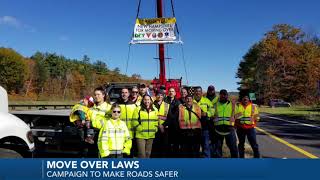
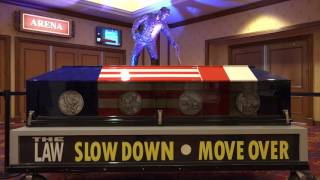
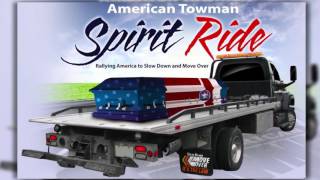
    The show of support also renewed calls for motorists to slow down and move over. Connecticut’s move-over law requires drivers to slow down and, when possible, change lanes around stopped emergency vehicles, highway crews and tow trucks displaying flashing lights.

    No arrests had been made as of Wednesday, and the investigation continues.

     
  • Miller Industries, CFF Launch Miller Finance Solutions


    Miller Industries, Inc. and Commercial Fleet Financing, Inc. (CFF) have launched Miller Finance Solutions, a financing program designed specifically for the towing and recovery industry.

    The program combines Miller Industries’ towing and recovery equipment and nationwide dealer network with CFF’s commercial financing expertise, expanded credit capabilities and technology platform.

    According to the companies, Miller Finance Solutions is designed to make financing faster and more competitive through a streamlined application and approval process. Customers will have access to additional credit options, flexible financing structures, discounted program rates and payment options tailored to towing businesses.

    The program is intended to help operators move more efficiently from equipment selection to financing and delivery, whether purchasing their first truck, replacing aging equipment or expanding an existing fleet.

    “Our commitment has always been to provide towing and recovery professionals with the highest-quality equipment and the support they need to succeed,” said Vince Tiano, vice president of Miller Industries.

    CFF President Erik Wong said the program combines Miller’s products and distribution network with CFF’s financing technology to create a better equipment-buying experience for towing professionals nationwide.

    1. Source: Miller Industries
     
  • LAPD Crackdown on Street Takeover brings Arrests, Vehicle Tows


    Los Angeles police launched a massive early-morning operation targeting an illegal street takeover near South Figueroa Street and Alondra Boulevard, resulting in multiple arrests and numerous vehicles being towed.

    The LAPD Street Racing Task Force began the operation around 3 a.m., responding to activity in an area neighbors describe as a frequent gathering spot for street racers and takeover participants.

    Police brought in buses to transport those arrested to a local jail, while a long line of tow trucks removed vehicles from the scene. Several blocks remained closed as dozens of officers continued the operation, supported by helicopters circling overhead.

    Residents said hundreds of people regularly gather in the area on weekends, blocking streets and creating dangerous conditions.

    “They crash into cars. There’s debris out here. It’s just dangerous,” one neighbor said, adding that participants also set off fireworks and show little regard for nearby residents.

    The crackdown follows several recent street takeover-related crimes targeting businesses across Los Angeles. Police hope the operation sends a clear message that illegal takeovers will face increased enforcement.

     Source: https://www.youtube.com

     
homediv homediv
homediv
September 16 - September 22, 2026
  • When Plan 'A' Didn’t Work

    By George L. Nitti

    On a remote stretch of interstate outside Elko, Nevada, a young recovery crew proved that adaptability can be as essential to a recovery as equipment and experience.

    When a loaded mining dump truck blew a steer tire, the driver lost control and the truck overturned, coming to rest on its roof. The load spilled out, and much of the cab was crushed beneath the truck.

    The call went to Atlas Towing & Recovery, where 22-year-old operator Blake Taylor responded in a 2018 Peterbilt 389 equipped with a Jerr-Dan 35-ton wrecker.

    "There was really no traffic control when we got there," Taylor recalled. "I wasn't going to put my guys out on the interstate, so I had to find another way."

    Rather than position the wrecker alongside the wreck, Taylor backed into a roadside ditch, clearing sagebrush and rocks to create a workable position. Even then, the wrecker could not get close to the overturned truck. Taylor had to run nearly 50 feet of wire rope to reach it, making both the rigging and the recovery more challenging.

    His initial plan was to rotate the dump truck onto its side and then upright it. But with the available attachment points limited to the upper frame rails, the truck wanted to roll rather than rotate.

    "If it had come over where I had it rigged, it would have landed on my winch line," Taylor said. "That could have shock-loaded the cable, and things could have gone wrong really fast."

    Taylor made a second attempt using a synthetic sling beneath the wreck, but quickly abandoned that approach.

    "There was too much torn metal hanging underneath. I knew I was going to cut the sling."

    After nearly an hour of re-rigging and reassessing the situation, Taylor changed tactics. Rather than trying to rotate the truck first, he placed two winch lines on the backside and attempted to roll the dump truck directly where it lay.

    The move worked better than expected.

    "It flipped once, flipped again in the same motion, and landed right back on its wheels. It was pretty mind-blowing how smoothly it happened."

    With the dump truck upright, Taylor repositioned his wrecker onto the interstate, winched the truck onto the roadway and hooked it for the tow back to Atlas Towing & Recovery's yard in downtown Elko.

    The cab had sustained extensive damage, particularly on the passenger side, but the dump body and frame remained intact. The truck also retained air pressure, allowing Taylor to tow it without having to deal with additional complications.

    Recoveries involving mining equipment are common for work for Atlas Towing & Recovery, which operates in one of Nevada's major gold-producing regions.

    Owner Jeremy Muth purchased the company with his wife, Christy, in 2020. Since then, the operation has grown into a full-service heavy-duty fleet with three heavy wreckers, four medium-duty trucks and four equipment-hauling power units. The company also maintains loaders, skid steers, forklifts, slide axles, dry vans and its own traffic-control equipment.

    "When we go to a wreck scene, we want everything we need with us," Muth said. "We don't want to depend on anybody else."

    That self-sufficiency is particularly valuable in the rugged country surrounding Elko. Atlas regularly handles loaded ore-hauling combinations weighing more than 200,000 pounds over mountain passes. Elko sits at approximately 5,000 feet in elevation, and the high-desert climate can bring temperatures above 100 degrees in summer and well below zero in winter.

    "Our recoveries are rarely simple," Muth said. "The terrain, the weather, and the weights make every job different."

    Taylor knows that firsthand. He was introduced to towing at 16 and earned his CDL after graduating high school. Now, at 22, he is part of a young Atlas crew that Muth says routinely handles work well beyond what might be expected of operators their age.

    For Taylor, the overturned dump truck demonstrated that even a relatively straightforward recovery can change quickly. The key, he said, is knowing when to stop forcing a \plan that isn't working.

    "Sometimes you have to stop, rethink the rigging, and find the safest way to get the job done."

     
  • Turning a Box Truck Around

    George L. Nitti 

    What began as a routine appliance delivery turned into a long day on a dead-end road in rural Maryland after a loaded box truck became hopelessly mired while attempting to turn around. 

    The delivery crew spent more than six hours trying to free the truck themselves. They jacked it up, stuffed boards and logs beneath the tires, and even rigged a come-along to a nearby tree. Instead of gaining traction, though, the repeated spinning dug the truck deeper until its fuel tank rested on the ground. 

    With residents unable to access the road and the situation at a standstill, the county sheriff finally requested assistance through the police towing rotation. 

    That call brought Vinny’s Towing & Recovery of Frederick, Maryland, to the scene. 

    Owner and operator Vinny responded with a 2006 Peterbilt/25-ton Jerr-Dan wrecker. 

    "When I got there, the first thing I noticed was the fuel tank sitting on the ground," he said. "Before I moved the truck at all, I had to get that tank lifted clear. The last thing I wanted was to rupture it and create a fuel spill." 

    Rather than immediately pulling on the truck, Vinny evaluated the terrain and planned a sequence that would relieve pressure on the tank while gradually rotating the vehicle back toward the pavement. 

    A large tree located directly behind the truck became a critical anchor point. Using a soft tree strap, snatch block and clevis, he redirected his winch line to the rear of the box truck. 

    "It wasn't being used for extra pulling power," he explained. "It was simply a line redirection." 

    The first pull gently lifted the truck out of the hole created by hours of spinning, raising the fuel tank safely off the ground. As the rear began to climb, Vinny simultaneously worked the front of the truck around, carefully easing tension on the rear line so the vehicle could pivot without dropping back into the ruts. 

    To keep the truck from sinking again, additional material was placed into the deep holes left by the tires. 

    Once the front had rotated far enough, Vinny repositioned his wrecker approximately 40 feet forward and attached a low line to the truck's front axle. The final pull brought the loaded box truck completely out of the ditch and back onto the asphalt. 

    The truck, carrying approximately 18,000 pounds of appliances, was recovered without damage. 

    The entire recovery took about an hour and a half, with another 30 minutes spent completing paperwork and payment. 

    Although a larger rotator can often simplify recoveries in confined areas, Vinny said space limitations made that impractical. 

    "If I can get a rotator in there, I'd rather use that than somebody's tree," he said. "But sometimes you've got to work with what the scene gives you. In a tight spot like this, the tree was the best option." 

    After more than six hours of unsuccessful self-recovery attempts, the appliance truck drove away under its own power with no damage 


  • Duty over Dollars

    By George L. Nitti 

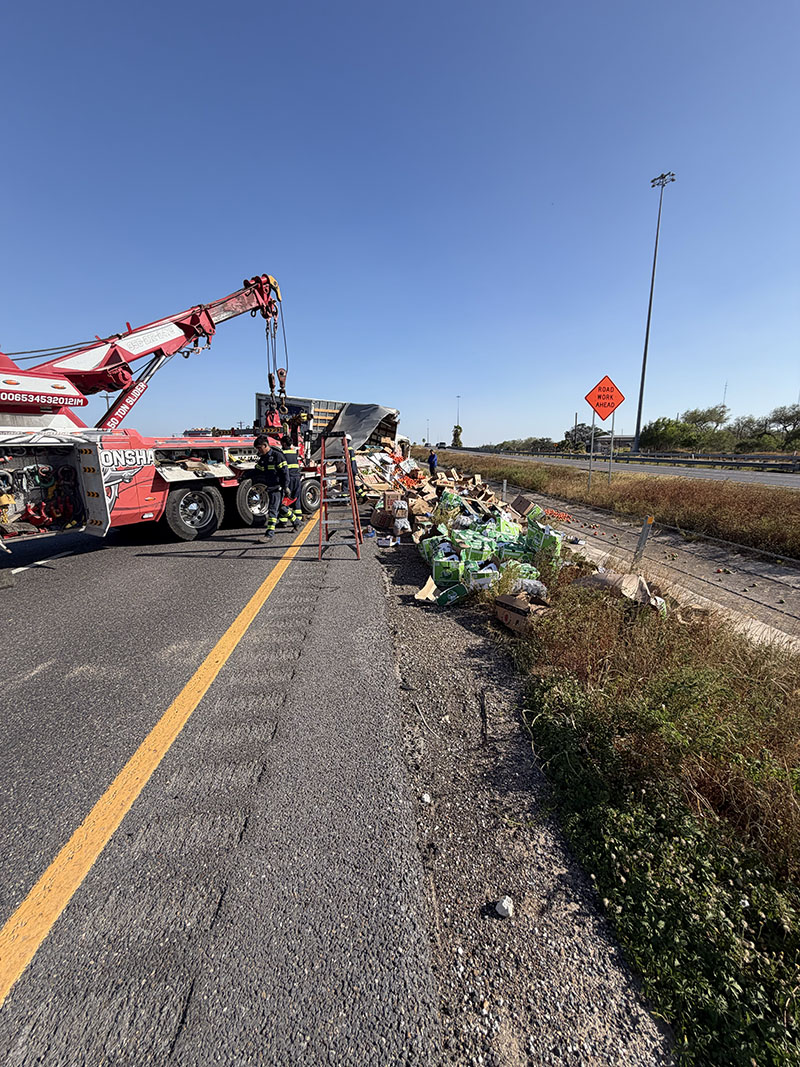
    When the call came from the Texas Department of Public Safety, there was never any question whether Ironshark Tow & Transport, based in Palmview, Texas,  would respond. 

    A 24-foot box truck had overturned on the busy I-69/US 281 corridor in South Texas, spilling thousands of pounds of produce across one of the region's most heavily traveled highways. The driver quickly admitted he had no insurance. His truck had bald tires, was overloaded far beyond its legal capacity, and the cargo was being transported in an unrefrigerated box despite containing perishable food. 

    "We can't walk away," said company owner Roman Garcia. "When law enforcement calls us, we're going to get the highway open, insurance or no insurance." 

    The 2010 Peterbilt 388 equipped with a 50-ton NRC heavy-duty wrecker arrived with a five-person recovery team to find the truck lying on its side, the cargo box torn apart after ripping away from its rivets. 

    “Tomatoes, onions, mangoes, peppers, eggs, sodas and other produce covered the roadway,” said Garcia. 

    The accident had also shut down one of South Texas' busiest commercial corridors, creating miles of backed-up traffic while DPS closed additional lanes to provide a safe work zone. 

    Before any lifting began, Ironshark secured the scene by disconnecting the batteries, assessing hazards and chocking the wheels to prevent unwanted movement on the sloped roadway bordering a drainage reservoir. 

    The recovery plan centered on performing a controlled rollover using the rear axle as the primary lifting point. 

    The crew boomed under the rear axle, attached slings beneath the chassis and around the wheels, and utilized a catch line to carefully rotate the damaged truck upright. 

    "We never let anything shock load," Garcia explained. "Everything has to be controlled from start to finish." 

    Garcia pointed out that avoiding shock loads is critical during heavy recoveries as a sudden load transfer can snap chains or straps, damage equipment, or puncture fuel tanks, creating an even greater hazard for responders working around diesel fuel and damaged vehicles. 

    Instead, the truck was slowly rotated back onto its wheels with constant tension maintained throughout the lift. Once upright, the damaged vehicle was re-rigged, the steering secured, and the Peterbilt's underlift transported it safely off the roadway so cleanup operations could begin. 

    While the rollover itself followed established heavy-duty recovery procedures, the cleanup proved to be the real challenge. Using skid steers, trailers and debris containers, the crew spent more than three hours removing produce scattered across the highway. 

    Working in temperatures exceeding 105 degrees, with pavement temperatures estimated above 125 degrees, and South Texas humidity, the operators shoveled spoiled produce mixed with dirt, broken glass, fuel and vehicle fluids. 

    The contaminated food could not be salvaged. 

    "We weren't going to let anyone take it," Garcia said. "It had been mixed with gasoline, brake fluid and broken glass. It wasn't safe." 

    After the cleanup, Ironshark hauled the contaminated load to a landfill, paying approximately $2,500 in disposal costs out of its own pocket. 

    According to the company, operators throughout Texas are increasingly encountering overloaded commercial vehicles operating without proper insurance or regulatory compliance. In many cases, towing companies must absorb significant expenses while fulfilling law enforcement rotation responsibilities. 

    "Our operators still expect a paycheck," the owner said. "Fuel isn't free. Equipment isn't free. We still have to pay our people whether the customer has insurance or not." 

    For Ironshark, however, the mission remains unchanged. "When the highway is shut down and people need help," Garcia said, "we're going to get the job done." 


September 16 - September 22, 2026
  • Ability Gets You Noticed. Humility Gets You Promoted

    By Randall C. Resch 

    A six-year tower wanted to be his company’s next supervisor, noting, “I’m the best candidate we’ve got for the position,” while describing his fellow drivers as “…a bunch of incompetent twits!” 

    He asked if I’d share some direct “pointers” on what it takes to be considered for a supervisory position. The company he worked for was considering hiring a driver manager, either from within or through an outside search. 

    Having worked for a competitor, I remembered him as a tower with better-than-average industry skills and one who always displayed a noticeable superiority complex. He was always ready to work and had all the equipment expected of him. 

    Compared to other drivers, I considered him “the exception to the rules.” He didn’t whine or complain, accepted every call assigned to him and eagerly worked past quitting time. His dispatchers loved him, and he was well-liked by the other drivers. 

    Although I considered him “ahead of the pack,” life was all about “him.” 

    Why Not Me? 

    As we talked, I heard his enthusiasm as he described the supervisor he’d likely become. He had ideas and visions for making the company better. His motivation was in line with a supervisory position—until he said, “The boss doesn’t freakin’ know what he’s talkin’ about!” 

    I felt that level of disdain could be hiding a dubious personality trait. 

    While I’m inclined to agree that some bosses don’t know what they’re talking about, some have still managed to build companies big enough to have employees and solid enough to stay in business. Somewhere within the boss’s “inability” to learn the industry’s nuts and bolts, he had managed some level of success running the company. 

    When I heard, “The boss doesn’t know what he’s talkin’ about,” I perceived an active ego that needed a lesson in reality. 

    So I asked if we could talk frankly about what steps might help his search. I thought I’d first address his attitude to see if that might stand in his way. 

    What I felt he didn’t understand was that, although his skills outpaced those of his peers, attempting to override the company owner or current management team wasn’t the path to making friends and influencing people. 

    Step one: “Dude, read the room and see whose name’s on the door.” 

    Hold the Door 

    I didn’t like the manner in which he rebelled against his boss’s way of doing things or the company’s rules. 

    I asked him, “Who are you to change the rules?” And, “What’s the possibility or potential that you’d even be considered?” 

    If “urge” was his driving force toward becoming a supervisor, wouldn’t becoming an owner better suit his ideas? 

    When considering a supervisory position, applicants have to have skills—and be skilled. Being a driver for five, ten or even fifteen years might make someone a great operator, but the responsibilities of a tow supervisor also include increased hours, interaction with employees, workload, stress and overload. 

    There’s so much more. 

    An all-around, all-inclusive supervisor should: 

    • Be a natural leader experienced in training and supervising others. 
    • Demonstrate the patience, tolerance and interpersonal skills necessary to deal with a multitude of personalities, abilities and attitudes. 
    • Effectively lead employees on a daily basis. 
    • Be experienced in handling damage claims, law enforcement contracts and all facets of business operations. 
    • Be ready to jump in a truck and handle calls when needed. 
    • Have the respect of peers and personnel. 

    The road to supervisor is a long process that typically comes with time and grade. When towers have abilities beyond their peers, some company owners recognize that experienced candidates have more to offer. 

    But all talk and no action ain’t impressive! 

    The ideal supervisor doesn’t hide behind a desk. It doesn’t work that way. 

    Humility Is Endearing 

    If a supervisory position isn’t openly discussed or advertised, ask the HR manager or owner for an informal sit-down. Bring a “neatly prepared resume” and humbly “sell the fact” that you’ve got something to offer. 

    Rest assured, a little well-emphasized ability is far different from arrogance and conceit. 

    Positive thinking helps demonstrate that you’re a qualified supervisor while continuing to build your industry skills. A complete resume makes for a better, well-rounded applicant. Sign up for supervisory courses and seek topic-specific industry training. Ask yourself: What makes you the better candidate? 

    Your work history should demonstrate the knowledge and experience needed to meet the company’s needs. And somewhere in that education and experience, an overactive ego may need to be tempered with humility. 

    At conversation’s end, I think he and I found some common ground. I told him that changing his attitude would better serve his chances of being selected. 

    I advised him to get humbled, stay motivated and not give up on himself. 

    I reminded him to be fully aware that it’s the boss’s name on the door, not his. 

    And yes, “boss is a four-letter word,” but it’s they who hold the proverbial keys. 


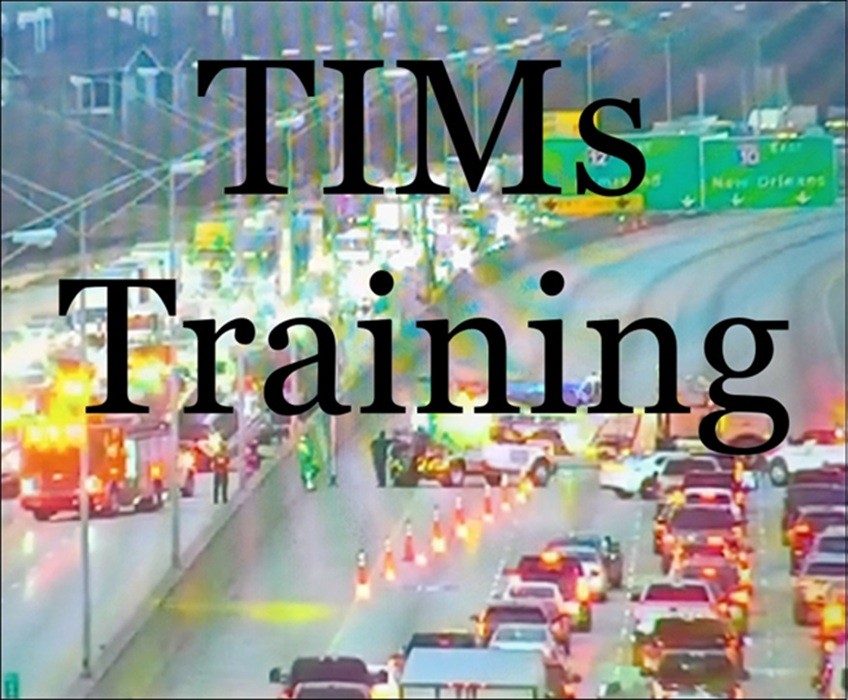
  • Are You TIM Trained Yet?


    Randall C. Resch

    At the Texas Tow Show in July 2026, I asked a room full of owners, “How many companies sent their towers to TIM training?” Only a handful raised their hands. Considering Texas has the second-highest fatality rate of all states, you’d think TIM training would be a doable priority.

    Years ago, Towman’s, Terry Abejuela and I attended the National Traffic Incident Management “Train the Trainer” course at Visalia’s Fire Department in Visalia, California. Having worked in responder industries for more than 50 years, this particular TIM course was the best safety and survival course I’ve ever attended.

    Forty-eight responders attended, representing CalTrans, fire departments, law enforcement, California Highway Patrol, and seven tow companies. Having various disciplines participate together provided different perspectives on highway response as a group effort, far beyond responsibilities assigned only to tow operators.

    The importance of on-scene safety was made noticeably clear by TIM instructors Ron Moore and Grady Carrick, both veteran police and fire administrators. Ron and Grady are commended for their commitment to training and dedication to a program I describe as “potentially life-saving.”

    Course topics included:

    • TIM Fundamentals and Terminology
    • Non-Traffic Side Safety
    • Notification and Scene Size-Up
    • Safe Vehicle Positioning
    • Command Responsibilities
    • Traffic Management
    • Special Circumstances
    • Clearance and Termination

    Training With Purpose

    TIM stresses the importance of “Quick Clear” methodology, including problems caused by congestion, depleted emergency assets, secondary crashes, Haz-Mat, medical response, extrication, financial impacts, and tow and recovery.

    Discussions focused on the importance of law enforcement providing accurate dispatch information to tow companies. Accurate locations and equipment needs are paramount. The intention? Towers should arrive on-scene with the proper equipment and trained operators based on a detailed assessment by law enforcement.

    Day two’s tabletop exercises involved participants working through scenarios relating to arrival assessment, vehicle placement, Quick Clearance priorities and problem solving. Attendees also went outside for situational-awareness activities demonstrating angled and linear placement of fire trucks and arrow-board trucks, effective cone-flare patterns, and how to safely enter and exit working vehicles.

    Command and Confidence

    Comments by instructors and attending law enforcement officers praised tow operator abilities. I felt proud of what we towers do after seeing the total presentation on incident management. In fact, I sat with a goofy smile nearly the entire time.

    TIM’s nationwide program is available to highway responders. Currently, some states require towers at all levels to attend four-hour traffic incident management courses. Accordingly, operators serving California Highway Patrol Tow Service Agreements (TSA) require a TIM certificate in the operator’s file.

    Fatality numbers confirm highway responders are at great risk. Consider that approximately 12 police officers are killed monthly across the U.S., along with five fire department personnel. It’s estimated that more than 120 Public Works/Tow/DOT/Safety Patrol workers are killed each year. At the highest count, as many as 32 towers were killed in 2012 industry-wide.

    Don’t listen to imprecise reporting claiming “one operator is killed every six days.” That’s bunk! However, there’s an industry expectation that through repetitive training, towers can work smarter and lower fatality numbers.

    The course videos and pictures demonstrated the importance of working on the “non-traffic side” to reduce pedestrian strikes. TIM demands towers replace old highway attitudes with awareness that provides tactical advantages.

    Taken to Heart

    Distracted driving won’t go away. Not even all the enforcement in the world will correct or eradicate distracted driving, DUI, extreme weather conditions, excessive speeds for conditions, and other factors that create crashes and ultimately kill or maim innocent responders and towers.

    A “live-taught” TIM course, at its basic level, is outstanding training that gives towers a better understanding of the carnage caused by distracted driving. Move-Over laws don’t work alone. On-scene survival is the responsibility of every responder, regardless of position or discipline.

    I urge tow company owners, tow operators and dispatch staff to attend a TIM course to fully understand processes and techniques that could mean the difference between coming home alive and not coming home at all.

    A free, four-hour TIM course is available online through the National Traffic Incident Management Responder Training Program. 

    Operations Editor Randall C. Resch is a retired, veteran, California police officer, former tow business owner and industry advocate. As consultant and trainer, he authored and teaches tow truck operator safety courses approved by the California Highway Patrol. For 57-years, he has been involved in the towing and recovery industry. In 30-years, he has contributed more than 800-safety focused articles for American Towman Magazine, TowIndustryWeek.com and POLICE Magazine. He is a frequent seminar presenter and beauty pageant judge at tow shows. In 2014, he was inducted to the International Towing and Recovery Industry Hall of Fame, was the 3rd recipient of the industry's "Dave Jones Leadership Award," and is a member of American Towman’s Safety Committee.

    Email Randy at rreschran@gmail.com.

     
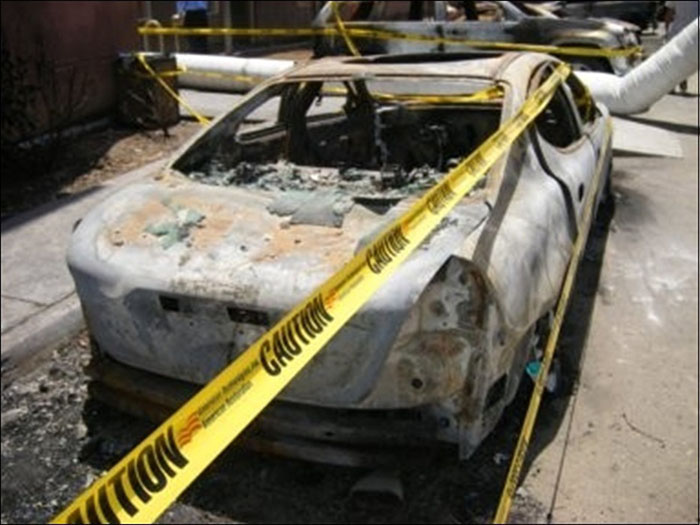
  • Post-Tow Fires: Who's Responsible?


    By Randall C. Resch

    There are incidents where towed vehicles catch fire hours after being dropped off in tow yards. The question becomes: Who is responsible for damages to stored vehicles if firefighters didn't cut or remove the wrecked vehicle's battery cables?

    When post-fire investigations are completed, blame often shifts from one party to another. While most towers believe disconnecting a battery belongs to the fire department, reality says it doesn't always happen. Circumstances at the scene, call priorities, or inaccessible engine compartments often prevent firefighters from disconnecting the battery.

    Fires Abound

    It doesn't take much for pinched wires in a damaged vehicle to create an electrical short and ignite a fire. If the vehicle is equipped with lithium batteries, impact damage can trigger thermal runaway. In either case, a single broken wire contacting the vehicle's frame can become an ignition source.

    In many fender-bender collisions without injuries, the fire department may never respond. Even when firefighters are on scene, there's no guarantee they've disconnected the battery, especially if the hood is crushed shut.

    When towers take possession of vehicles, they're accepting responsibility for the vehicle, its contents, and—more importantly—its condition. While no tow company intentionally causes a fire, there are known precursors every tower should recognize.

    Not My Fault

    Vehicle fires occur with little warning and for many reasons. Mechanical failures, damaged electrical systems, fuel vapors igniting during impact, battery failures, or heated vehicle components can all contribute. Some fires don't begin until long after the vehicle has been unloaded and parked in the storage yard.

    In one incident, a tower stated, "We had just unloaded the vehicle, heard snapping sounds, turned around, and saw it burning." Another admitted, "I never looked to see if the battery was disconnected."

    Once towers accept a damaged vehicle, they're also accepting responsibility for allowing it to remain in whatever condition it arrived.

    Adjudicate This

    Assuming the tower exercised proper care, custody, and control, a court may ask:

    "Mr. or Mrs. Tower, did you take steps to disconnect the vehicle's battery before the fire occurred?"

    Suppose the response is, "I didn't know the battery wasn't disconnected." That answer only demonstrates a lack of due diligence.

    Tow-Related Fire Causes

    Vehicle fires happen for a multitude of reasons. The following examples identify common causes:

    -- Stored vehicles rarely ignite from leaking fuel alone. However, improperly placed J-hook chains have punctured fuel tanks. When leaking fuel or vapors meet an ignition source, fire or explosion becomes likely.

    -- Dually equipped trucks and motorhomes towed on flat tires can generate enough sidewall friction to ignite adjacent tires, wooden truck beds, or the underside of motorhomes.

    -- Vehicles parked on burning highway flares may have tires that continue smoldering during transport and eventually ignite after being stored.

    -- Non-wrecked vehicles towed with the parking brake engaged can develop wheel-end fires.

    Prevention

    To reduce the possibility of fires during transport or after arrival at the facility, company policy should clearly dictate procedures for preventing vehicle fires.

    -- Designate an isolated parking area for crashed vehicles, away from offices, buildings, hazardous-material storage, and other stored vehicles. Leave damaged vehicles there until they're determined to be cold and fire-safe.

    -- Keep wrecked-vehicle storage areas accessible to responding fire apparatus and close to hydrants, hoses, water supplies, and large fire extinguishers.

    -- If a vehicle is still hot upon arrival, flood both the vehicle and surrounding area with copious amounts of water until all fire potential has been eliminated.

    -- If re-ignition occurs, call 911 immediately. If there are no visible flames and it's safe to do so, use a forklift or skid steer to move the vehicle into an open area.

    Sooner or Later

    Knowing what to do—and having a fire response plan—makes good sense.

    Common sense suggests towers verify whether the vehicle's power source has been disconnected. The number-one way to lessen the possibility of a vehicle fire is recognizing existing hazards and acting accordingly. Blaming the fire department is fruitless.

    Remember, if a wrecked vehicle is delivered to a body shop, dealership, or customer's home and later catches fire, the tow company will likely be blamed if the battery wasn't disconnected.

    Sufficiently Covered?

    Insurance coverage is broad and often complicated, depending on the services your company provides.

    Does your policy cover fires that occur after vehicles have been placed into storage?

    If one stored vehicle catches fire and damages others, does your on-hook or garagekeepers coverage provide sufficient protection?

    In previous fire incidents, companies discovered they had no coverage because their business policy didn't specifically address fire-related losses.

    Are you covered?

    The Bottom Line

    Owners should ask their insurance providers specific questions about post-storage vehicle fires, particularly when other vehicles or structures suffer damage from fire, smoke, or water.

    Don't wait until a catastrophic fire reveals gaps in your coverage.

    Towers are responsible for ensuring vehicles are loaded, towed, and stored in a fire-safe manner. One of the simplest ways to reduce fire risk is to eliminate electrical power whenever possible.

    Operations Editor Randall C. Resch is a retired, veteran, California police officer, former tow business owner and industry advocate. As consultant and trainer, he authored and teaches tow truck operator safety courses approved by the California Highway Patrol. For 57-years, he has been involved in the towing and recovery industry. In 30-years, he has contributed more than 800-safety focused articles for American Towman Magazine, TowIndustryWeek.com and POLICE Magazine. He is a frequent seminar presenter and beauty pageant judge at tow shows. In 2014, he was inducted to the International Towing and Recovery Industry Hall of Fame, was the 3rd recipient of the industry's "Dave Jones Leadership Award," and is a member of American Towman’s Safety Committee. Email Randy at rreschran@gmail.com.

     
homediv
homediv

September 16 - September 22, 2026
  • Double Trouble: Built to Recover, Painted to Remember

    covertowillustrated 0d2d9
    By George L. Nitti

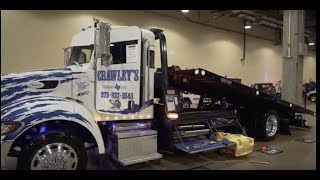
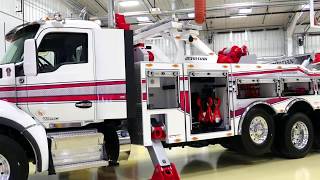
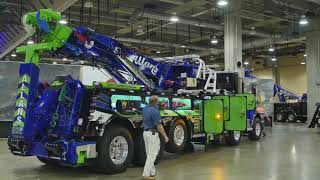
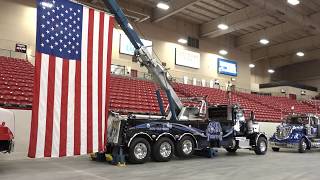
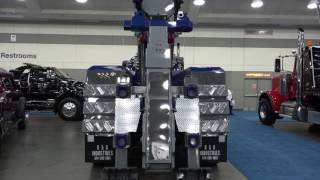
    In a sea of flashing lights and heavy steel, some tow trucks turn heads with their graphics—none more so than the award-winning 2024 Peterbilt rotator by Mike’s Heavy Duty Towing of Brooklyn, New York, owned by Margaret Mazzio. Equipped with a 65-ton NRC slider, the unit earned Best of Show in the Rotator Class at the 2025 American Towman Exposition in Baltimore.

    The rotator is a full custom build from the ground up. Every box is hand-painted and pinstriped, while the interior—steering wheel, column, shifters, and panels—has been reimagined with chrome and custom finishes. Even the storage compartments reflect the same attention to detail. “All my show trucks get the full treatment,” said Sal Mazzio, lead operator at Mike’s Towing, along with his son, Sal Jr.

    Graphic artist Cecil Burrowes, who has airbrushed Mike’s trucks since the 1990s, said the project required some of the most extensive pinstriping he has done in years.

    “I can’t remember the last time I striped a truck this much,” Burrowes said. “I try not to repeat patterns. I want everything to be intricate and unique.”

    Before any color was applied, Burrowes stripped the truck back to bare white, removing old graphics, sanding it with 800-grit, and rebuilding the design from scratch. The artwork was then constructed one color at a time, with each shade requiring fresh masking. Yellow outlines were added to frame the blue graphics and make them stand out against the white base.

    One of the most personal additions came mid-project, when a previous slogan was replaced with an image of Tuxi, a bulldog that once belonged to Sal's late father. Burrowes repainted both sides so the tribute became a permanent part of the truck’s story.

    The hood features a reimagined version of Stewie from Family Guy, set against a New York-inspired backdrop of cobblestones and city buildings. Layers of pearl—blue over blue and purple over purple—were sprayed using an intercoat clear to create depth and dimension. Hand-painted flames stretch across the hood and sides, while fine sparkles were added to the white panels for subtle shimmer.

    The finishing process proved challenging. Cold temperatures and an initial clear coat caused runs, forcing Burrowes to sand the entire truck smooth and re-clear it.

    “I had to do it all over again,” he said. “But when it was done, it was beautiful.”

    In the end, the rotator is a rolling testament to craftsmanship and the personal stories that continue to drive the towing industry forward.

     
  • A Calendar Dream on Wheels

    By George L. Nitti

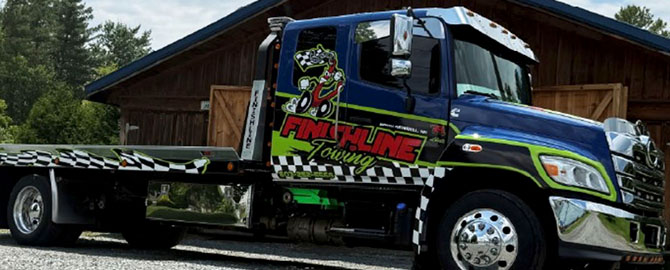
    When Josh Aldrich ordered his 2024 Hino L6 rollback, he knew he wanted a truck that would get noticed. Now, his eye-catching Finish Line Towing rig is hoping to take that attention one step further—as an entry in Hino’s annual calendar contest.

    Based in North Haverhill, New Hampshire, Aldrich operates Finish Line Towing as a one-truck operation. His 2024 Hino L6 is equipped with a 21-foot steel Jerr-Dan bed, but it’s the truck’s graphics that immediately set it apart.

    Blue, black and brilliant green dominate the design, accented by sweeping racing stripes and a black-and-white checkerboard pattern. The Finish Line Towing name stretches prominently across the doors, while a stylized race-car graphic reinforces the racing theme.

    The bold design has already earned Finish Line Towing a place among the trucks featured in Hino’s calendar contest, where distinctive Hino trucks compete for a spot in the company’s annual calendar.

    Speaking about his graphic designer Jacob Leete, Aldrich said, “I let him just go wild with it. It’s going to be a billboard and my business card, so I wanted it to be flashy.”

    The racing theme connects the truck to Aldrich’s family and to the origins of the Finish Line name itself. Aldrich's late brother died in a motorcycle accident 10 years ago. Before his death, the two had planned to go into business together. His brother was a carpenter, and their original idea was to establish Finish Line Carpentry.

    “After he had his accident, I just kept that name to kind of carry on his name, our idea,” Aldrich said. The family’s involvement in racing eventually gave the name another dimension. 

    The unit has several customizations. A plastic cover normally found on the body was removed and taken to a local fabrication shop, where it was recreated in aluminum and customized with the Finish Line name. “That kind of specialized my truck a little bit,” he said. 

    Aldrich has continued adding functional and cosmetic touches. EZ Steel Fabrication in Bath, New Hampshire, built specialty winch-out pulleys for the back of the bed. Aldrich also fabricated wheel dollies that attach to the bed and added protective containers to hold the air valves controlling the equipment.  

    “In the New England weather, where it gets in the elements of salt and sand and snow and ice, we had to design containers that they go into that are sealed,” Aldrich said.  

    Aldrich had never owned a Hino before, but stated, “I just I like the visibility and the ride on it.” 

    The 21-foot steel Jerr-Dan rollback gives Aldrich the versatility he needs. His work ranges from conventional towing and roadside assistance to more unusual jobs. “I do mid-sized vehicles, winch-outs, any lockout stuff, fuel delivery, tire changes, accident scene stuff, motorcycles,” he said. “I’ve moved sheds with it before. Pretty much anything I can put on it legally.” 

    Today, Aldrich handles AAA work as well as cash calls, putting the Hino and its Jerr-Dan bed to work throughout his area. 

    Aldrich previously used the slogan “Leading the Way,” but a more irreverent message now appears in the rear window: ‘Legal Hooker.’ 

    “It’s just a funny wordplay on hooking onto cars and doing it legally,” he said. 

    For a one-truck company competing for attention in a crowded roadside environment, the Hino already does what Aldrich hoped it would do: it gets noticed. Now, he’s hoping that attention carries all the way to the pages of Hino’s calendar.

    For Aldrich, seeing his truck featured in the calendar would be more than recognition for a flashy design. It would be another way for the Finish Line name—and the story behind it—to go a little farther down the road.

     
  • Keeping the Family Name Rolling

    By George L. Nitti

    Sitting in the rain outside a Tractor Supply parking lot in Skowhegan, Maine, a 2025 Freightliner equipped with a Century carrier brightened an otherwise gray morning. Against the bright white cab, sweeping red and black graphics popped, creating a clean, modern look that was bold without being overdone. 

    The first thing that caught my eye was the flowing script across the doors—Charlie & Son Sales & Service. Then other details came into focus: the oversized phone number running along the carrier rails, the charlieandsontrailers.com web address stretching the length of the bed and the crisp graphics that tied the entire truck together without feeling cluttered. 

    I walked slowly around the rollback, camera in hand, admiring the colorful wrecker and its creative graphics. 

    One feature that drew a smile was the company's slogan: "Highly WreckerMended." Displayed on the side toolbox with a thumbs-up graphic, it was memorable without trying too hard. According to owner Charles Robbins, the phrase began as a joke between him and his father more than 25 years ago. 

    "I came up with it joking around with my father," Robbins said. "We've been putting it on the trucks ever since." 

    The graphics were created by Team Huff Customs of Bangor, Maine. Robbins said he wasn't looking for anything elaborate. 

    "We wanted something fresh and simple," he said. "They came up with exactly what we were looking for." 

    Based in Madison, Maine, Charlie & Son Sales & Service has been a family business for more than four decades. Robbins and his wife have operated the company for the past 18 years, carrying on a tradition started by his grandfather. 

    "My grandfather started it, and I'm Charles III," Robbins explained. "It was Charlie, Chuck and Charles through the generations." 

    Like many towing companies, Charlie & Son has felt the impact of rising fuel prices, insurance premiums and equipment costs. 

    "It's definitely a struggle," Robbins said. "You can only raise rates so much. We try to stay competitive because central Maine is a tough area, but we have had to increase rates some just to cover expenses." 

    Despite those challenges, much of the company's work still comes from repeat customers and referrals. 

    "A lot of it is word of mouth," Robbins said. "We've built a huge clientele over the years. People find us on Google and Facebook, but most of our customers come from recommendations." 

    About 10 years ago, Robbins expanded the business by launching charlieandsontrailers.com, adding trailer sales, parts and service to the company's towing operation. Today, the dealership offers utility, dump, equipment, landscape and snowmobile trailers. 

    For Robbins, the new Freightliner reflects a family business that has grown with the times while remaining rooted in the values that started it more than 40 years ago. The graphics may catch your attention first, but the people behind the name are what stay with you. 


homediv
September 16 - September 22, 2026
  • Remote Security


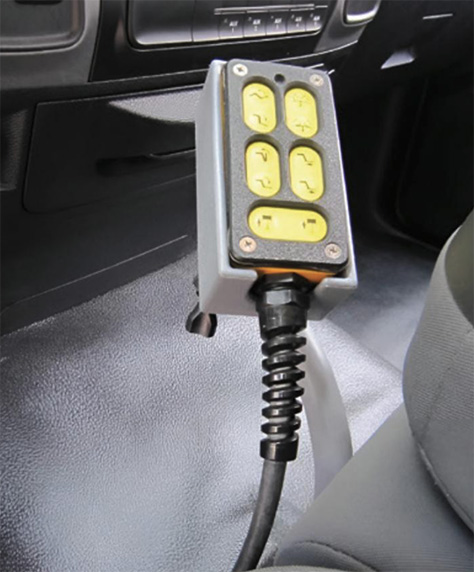
    The Control Holder by WreckerstuffSquare is a custom-fit mounting solution designed for Jerr-Dan MPL wreckers and Dynamic wrecker remotes. Engineered for durability and convenience, it keeps your controller secure, protected, and always within reach—helping tow operators work faster and more efficiently.

    Features:

    -- Custom-fit design for Jerr-Dan MPL wreckers

    -- Compatible with Dynamic 4-function and 6-function remotes

    -- Fits both Ford and Ram truck interiors

    -- Securely holds the controller to prevent drops or damage

    -- Quick access to the remote while working

    -- Removable mount allows for passenger seating when needed

    -- Heavy-duty construction built for demanding towing environments

    -- Precision-crafted for a clean, professional installation

    -- Keeps the cab organized and eliminates searching for misplaced remotes

    -- Made for professional tow operators

    For more on this product, visit https://wreckerstuff.square.site/s/shop


  • VLA Carrier: Low-Angle Loading for Low-Clearance Vehicles

    millervlacarrier 5263d

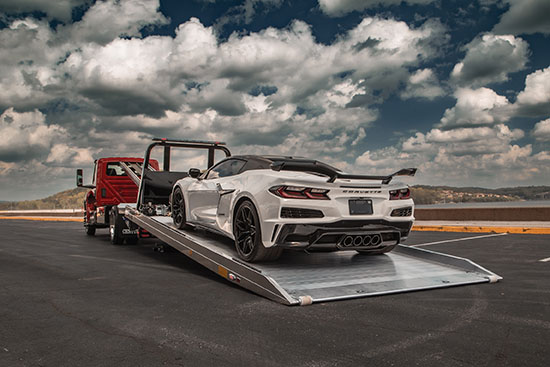
    The new VLA (Very Low Angle) carrier from Miller Industries is engineered for the safe, efficient loading and transport of low-clearance vehicles and equipment. Designed for smooth operation and everyday versatility, the VLA combines a low 6-degree loading angle with a durable rack-and-pinion bed system for controlled loading performance.

    Product Features

    • 23-foot carrier deck
    • True 6-degree load angle
    • Twin-motor rack-and-pinion bed travel system
    • Available in aluminum or steel configurations
    • 10,000-lb. platform capacity
    • 12,000-lb. winch included
    • Wheel lift rated at 3,000 lbs.
    • 7,500-lb. tow rating at full extension
    • Designed for low-clearance vehicles and jobsite equipment
    • Available under the Century, Vulcan, and Chevron product lines
     
  • EARTEC PRO16 Communication System

    eartechpro 4a658
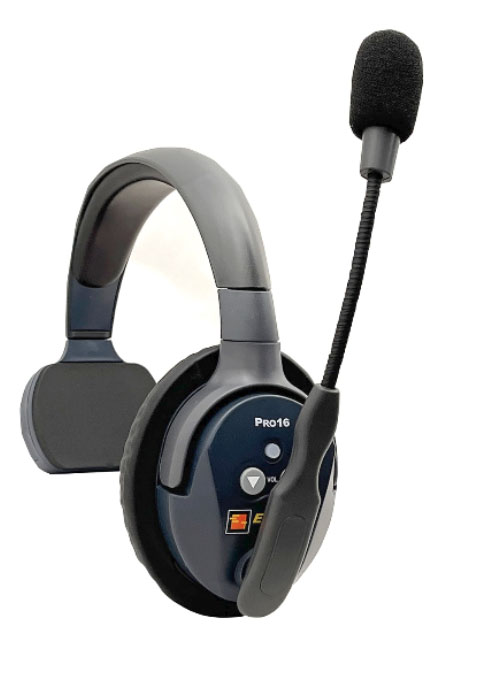
    The EARTEC PRO16 headset system provides seamless, full-duplex team communication for demanding work environments. Designed for crew coordination and safety, the PRO16 delivers clear, real-time communication without the need for a base station.

    Key Features:

    -- Supports up to 16 users in full-duplex communication
    -- Hands-free, self-contained headsets – no base station required
    -- Real-time communication with no delays or digital lag
    -- Specialty RF microprocessor eliminates voice echo
    -- Crystal-clear audio for reliable communication in demanding environments
    -- Auto-mute boom microphone mutes when placed in the up position
    -- Private communication network for secure team conversations
    -- Improves crew coordination, efficiency, and safety
    -- Designed for hard-working industrial crews

    For more information, https://eartec.com/ultralite-pro-16-headsets/

     
homediv
homediv
homediv
September 16 - September 22, 2026
Show More
homediv homediv
September 16 - September 22, 2026
Warren Siao was sentenced to 55 years in prison after being convicted of the 2023 murder of repossession company owner Jayson Click during a vehicle recovery in Madison County, Alabama.
  • Auto Delinquencies Remain Highest in Southeast

    Auto-loan delinquency rates continue to show significant geographic differences, with several Southeastern states posting elevated levels even after accounting for borrower credit quality.

    A state-by-state analysis by Kroll Bond Rating Agency (KBRA) found that four of the five highest rates of auto loans at least 60 days delinquent during the first half of 2026 were in the Southeast.

    Mississippi recorded the highest rate at 4.57%, followed by South Carolina at 4.54%, Georgia at 4.46%, New Mexico at 4.40% and Louisiana at 4.17%. By comparison, Vermont had the lowest rate at 1.50%.
    KBRA found the differences persisted after controlling for credit scores and securitization composition. Louisiana performed 77 basis points worse than expected, followed by Georgia at 60 basis points worse, Mississippi at 51 and South Carolina at 37.

    The findings suggest geography may be an important factor in auto-loan performance beyond traditional credit measures.

    For lenders, collectors and recovery companies, concentrated delinquency could eventually translate into geographically concentrated collections, charge-offs and repossession activity.

    Source: CURepossession.com

     
  • Stay Out of the Courtroom, Stay Out of the Emergency Room, and By God, Avoid the Cemetery

    Many tow companies that perform repossessions DO NOT adequately train or certify employees on legal and professional repossession standards. It is not as simple as some would have you believe.

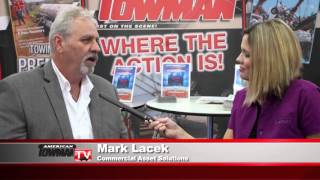
    Join Mark Lacek, an industry veteran of more than 50 years in the repossession business, who will cover the repossession process from recovery assignments through final delivery. He will introduce certification, credentialing, and training programs available both online and in-person to train and certify employees and drivers on the repossession process.

    This seminar is a MUST for tow business owners and drivers to know the ins and outs of repossession so you can avoid preventable harms, costly settlements, and potential incarceration resulting from negligent acts and a lack of structured training.

     
  • Recovery Agent Assaulted in Stockton, CA

    A recovery agent was reportedly assaulted by multiple suspects during a vehicle repossession attempt in Stockton, California, on the evening of July 29, according to the Stockton Police Department.

    The incident occurred in the city's Lakeview District. Police said the 44-year-old recovery agent was attempting to repossess a vehicle when several individuals confronted him, pulled him from the recovery vehicle, and assaulted him before fleeing.

    According to investigators, two suspects drove away in the vehicle that was the subject of the repossession, while several others fled on foot. The recovery agent declined medical treatment at the scene.

    Police described the suspects as one adult Black female and four adult Black males. No arrests had been announced as of Thursday afternoon, and investigators have not released additional information about the suspects' relationship to the vehicle or whether any weapons were involved.

    The Stockton Police Department continues to investigate the incident.

    According to inquiries made with several repossession companies, none reported having employees involved in the incident. The recovery agent may have worked for an unlicensed repossession company, or the repossession may have been conducted by a used car dealership.

    Source: https://curepossession.com

     
  • Fatal Repo Shooting Ends with 55-Year Prison Sentence

    Three years after the fatal shooting of repossession company owner Jayson Click, the criminal case has reached its conclusion with a lengthy prison sentence for his killer.

    A Madison County, Alabama, judge sentenced Warren Siao to 55 years in prison on July 17 after a jury convicted him of murder in May. Prosecutors said Siao fatally shot Click while Click, owner of B&S Collateral Recovery, was lawfully attempting to repossess a vehicle on April 18, 2023. Circuit Judge Ruth Ann Hall ordered Siao to serve the sentence in the Alabama Department of Corrections.

    The case drew national attention throughout the repossession industry, where Click's death became a stark reminder of the dangers recovery professionals face on the job. The prosecution was delayed by multiple court proceedings, including issues surrounding Siao's failure to appear, extending the case for more than two years.

    Following several days of testimony from investigators, witnesses, and forensic experts, the jury found Siao guilty of murder. The 55-year sentence closes one of the industry's most closely watched homicide cases. Click's death occurred during what became the deadliest year in the repossession industry's recorded history.

    Source: CURepossession

     
Translate Page
Contact Us
© 2026  Tow Industry Week/American Towman Media, Inc.         . .